PrimeEx Consulting

Category: PrimeEx Consulting Academy

Low-Code and No-Code Tools: Unlocking Digital Careers Without Programming

The rise of low-code and no-code platforms is transforming how digital products are built and who gets to build them. Tools such as workflow automation platforms, website builders, and app development interfaces now allow individuals with little or no programming background to create functional digital solutions. This shift is opening new career pathways for aspiring digital professionals across Africa.

Low-code and no-code tools are increasingly used by startups, NGOs, and small businesses to automate processes, manage data, and launch digital services faster and at lower cost. As a result, there is growing demand for automation specialists, no-code developers, digital operations assistants, and workflow designers. These roles focus on problem-solving, system thinking, and process optimization rather than traditional software coding.

For youth and professionals seeking remote or flexible work, no-code skills offer a practical entry point into the digital economy. Learners can quickly acquire competencies in tools for automation, CRM setup, online forms, dashboards, and basic web applications. This makes low-code training especially relevant for individuals transitioning from non-technical backgrounds into digital roles.

At PrimeEx Academy, low-code and no-code skills represent a strategic area for workforce development. Training in this space emphasizes logical thinking, business process mapping, digital productivity, and real-world application, enabling learners to support organizations more effectively. These skills also complement entrepreneurship, allowing small business owners to build and manage their own digital systems.

As digital transformation accelerates, low-code and no-code platforms will continue to democratize technology access. Equipping learners with these skills positions them for sustainable digital careers while strengthening Africa’s role in the global digital services ecosystem.

Read More

Why AI Evaluation and Data Annotation Are the New Entry Points into Digital Work in 2026

As artificial intelligence systems become more embedded in everyday products, from search engines to virtual assistants, the demand for human-in-the-loop work is growing rapidly. In 2026, roles such as AI evaluation, data annotation, and content quality assurance are emerging as some of the most accessible entry points into the global digital economy.

Unlike traditional software roles that require advanced programming skills, AI evaluation tasks focus on human judgment. Workers review AI-generated outputs, assess accuracy, bias, tone, and relevance, and help improve how models understand language, images, and real-world contexts. This makes these roles especially suitable for individuals with strong language skills, attention to detail, and critical thinking, even without a technical background.

For young professionals and freelancers in emerging markets, this shift presents a unique opportunity. AI companies increasingly rely on remote contributors across different regions to ensure their systems perform well across cultures and languages. As a result, digital workers can access flexible, remote, and project-based work that pays in foreign currency while building experience in a fast-growing field.

However, success in this space requires preparation. Workers need to understand task guidelines, quality metrics, ethical considerations, and platform expectations. Poor-quality submissions can lead to account suspensions, while consistent accuracy and reliability often unlock higher-paying tasks and longer-term contracts.

At PrimeEx Academy, we view AI evaluation not just as a gig, but as a skills pathway. With the right training, individuals can progress from basic annotation tasks to more specialized roles in quality assurance, linguistic analysis, and AI safety evaluation.

As AI continues to scale globally, human oversight will remain essential. For digital workers willing to learn and adapt, AI evaluation offers a practical and timely gateway into the future of work.


Read More

Why Many Small Businesses Fail to Benefit From Digital Transformation

Digital transformation is often promoted as a solution to many of the challenges facing small businesses, from poor customer reach to inefficient operations. Yet, despite investing in websites, social media pages, or software tools, many small businesses fail to see meaningful results. The problem is rarely the technology itself, it is how transformation is approached.

One common mistake is treating digital transformation as a one-time purchase rather than a strategic process. Businesses adopt tools without clear objectives, hoping technology will automatically fix underlying operational issues. Without aligning digital tools to business goals such as customer acquisition, cost reduction, or service delivery, these investments deliver little value.

Another major barrier is limited digital capacity within the business. Owners and staff may lack the skills needed to fully utilize digital tools, leading to underuse or abandonment. For example, a business may invest in a customer management system but continue tracking clients manually due to lack of training or confidence. Technology without skills creates frustration, not efficiency.

Resistance to change also plays a significant role. Digital transformation often requires new workflows, accountability, and data-driven decision-making. When teams are not involved in the process or do not understand its benefits, adoption becomes superficial. Tools exist, but old habits persist.

Finally, many small businesses overlook the importance of guidance and mentorship. Digital transformation is not just about tools, it is about mindset, processes, and continuous learning. Businesses that succeed start small, focus on practical improvements, and build internal capacity over time.

For small businesses to truly benefit from digital transformation, the focus must shift from technology adoption to strategic implementation. When digital tools are matched with skills, clear goals, and ongoing support, transformation becomes a driver of sustainable growth rather than a wasted investment.


Read More

How Digital Skills Are Transforming Youth Employment in Kenya

In today’s fast-changing economy, digital skills are no longer optional, they are essential. Across Kenya, thousands of young people are discovering that learning practical, in-demand digital skills can unlock new income opportunities, career flexibility, and long-term economic resilience.

PrimeEx Academy is at the forefront of this transformation, equipping youth and small businesses with market-ready digital competencies rather than theoretical knowledge alone. Skills such as virtual assistance, digital marketing, online research, content creation, and AI-supported productivity are increasingly sought after by global clients and employers.

One of the biggest advantages of digital work is access without geographical limitations. With the right training, a young person in a rural or peri-urban area can compete for the same opportunities as someone in a major city. This is especially important in Kenya, where unemployment and underemployment remain major challenges despite a highly educated youth population.

However, success in the digital economy requires more than basic computer knowledge. Learners must understand professional communication, ethical online work, personal branding, financial discipline, and platform compliance. This is where structured training and mentorship make a critical difference, helping individuals avoid common pitfalls and build sustainable careers.

As Kenya continues to embrace the digital economy, investing in skills-based, practical training will be key to empowering the next generation. By focusing on real-world applications, mentorship, and inclusion, digital skills training is not just creating freelancers, it is building confident professionals ready for the future of work.

The digital economy is here. The question is: are we prepared to participate effectively?

Read More

The Skills Reset: Thriving in the 2026 Digital Economy

The beginning of a new year is more than a calendar reset, it is an opportunity to reassess how we learn, work, and create value in a rapidly changing digital economy. As we step into 2026, one thing is clear: skills now matter more than titles, and adaptability matters more than experience alone.

Across industries, artificial intelligence, automation, and platform-based work are reshaping how opportunities are created and accessed. Employers are increasingly prioritizing practical digital skills, problem-solving ability, and continuous learning over traditional credentials. At the same time, freelancers, remote workers, and small businesses are navigating a more competitive but opportunity-rich global marketplace.

For individuals, this shift demands intentional upskilling, and not just learning tools, but understanding how to apply them ethically, strategically, and sustainably. Digital literacy today goes beyond basic computer skills. It includes data awareness, AI-assisted productivity, online collaboration, cybersecurity awareness, and the confidence to work in distributed teams.

For entrepreneurs and SMEs, the challenge is equally urgent. Digital transformation is no longer optional. Businesses that invest in digital processes, customer intelligence, and workforce capability are better positioned to grow, compete, and withstand economic uncertainty.

At PrimeEx Academy, we believe the future of work belongs to those who learn continuously, adapt boldly, and apply skills with purpose. As we start this year, our focus remains on equipping learners, freelancers, and organizations with practical, industry-relevant skills that translate into real outcomes that is income, efficiency, and impact.

2026 is not about doing more. It is about doing smarter, and building skills that last.

Read More

How to Turn One Digital Skill into Multiple Income Streams

Many beginners believe they need many skills to earn online. In reality, one strong digital skill can open the door to multiple income streams when used strategically.

Step 1: Master One Marketable Skill
Start by choosing a single skill such as virtual assistance, graphic design, content writing, customer support, or social media management. Focus on doing it well before adding anything else. Clients pay more for reliability and quality than for long skill lists.

Step 2: Package the Skill in Different Ways
One skill can be offered in multiple formats. For example, a virtual assistant can provide email management, calendar scheduling, CRM updates, or customer support. A content writer can offer blog writing, website copy, product descriptions, or SEO articles. Packaging increases earning potential without learning something new.

Step 3: Use Multiple Platforms Strategically
Do not rely on one platform. Offer your service on freelance marketplaces, pitch directly to businesses, and promote your work on LinkedIn or WhatsApp Business. This reduces risk and creates steady income opportunities.

Step 4: Upsell and Retain Clients
Once you gain a client’s trust, offer complementary services. Retaining clients is easier and more profitable than constantly searching for new ones. Clear communication and consistent delivery make upselling natural.

Step 5: Reinvest in Growth
Use early earnings to improve tools, branding, or short courses that enhance your core skill. This positions you for higher-paying clients over time.

Online income growth is not about chasing trends, but rather about leveraging what you already know.
At PrimeEx Academy, we help you identify profitable skills, package them effectively, and build sustainable digital income streams. Start your growth journey with PrimeEx today.

Read More

How to Attract High-Quality Clients Without Chasing Them Online

Many beginners spend months sending proposals with little to no success. The truth is, chasing clients is the hardest way to grow online. The smarter way is to position yourself so that clients come to you. Here is how to do it.

  1. Solve One Clear Problem

Instead of offering many services, focus on solving one specific problem. For example, “I help small businesses grow their Instagram sales” is more powerful than “I do social media.” Clarity attracts serious clients.

  1. Share Value Before You Sell

Post helpful content on LinkedIn, Facebook, TikTok, or WhatsApp groups. Teach what you know. When people see your knowledge solving real problems, they naturally trust you.

  1. Use Proof, Not Promises

Clients believe results, not words. Share testimonials, screenshots, before-and-after work, and success stories, even from practice projects. Proof builds instant credibility.

  1. Build Relationships, Not Just Leads

Engage with business owners’ posts, comment meaningfully, and offer advice without asking for payment. Many high-paying opportunities come from relationships, not cold pitching.

  1. Position Yourself as a Professional

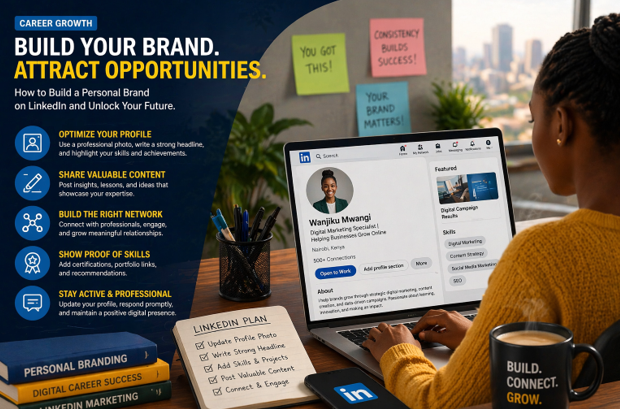
Use a clean profile photo, proper bio, clear service description, and professional communication. First impressions online determine whether clients take you seriously.

  1. Be Consistent

Client attraction is built through daily visibility, not one viral post. Show up consistently, even when results seem slow.

Remember that clients are not just buying your skill, they are buying your confidence, clarity, and consistency.


Read More

How to Use AI Tools to Scale Your Freelancing or Agency Business in 2025

The digital work landscape in 2025 is changing faster than ever, and freelancers who embrace AI tools are gaining a massive competitive edge. Whether you run a social media agency, offer virtual assistance, or provide data-driven services, integrating AI into your workflow can dramatically boost productivity, accuracy, and client satisfaction. Here is how to get started.

  1. Identify the Tasks You Can Automate

Begin by listing repetitive tasks such as content scheduling, email drafting, research, client onboarding, reporting, or data cleaning. Tools like ChatGPT, Notion AI, Zapier, and Looka help automate up to 40% of daily workload, freeing you to focus on high-value work.

  1. Choose AI Tools That Align with Your Niche

If you are a social media manager, tools like Canva AI, Predis, and CapCut AI speed up content creation. For researchers or writers, Grammarly, Perplexity, and Jasper enhance accuracy and save hours. For agencies offering analytics or SEO, Surfer AI and SEMrush AI provide powerful insights instantly.

  1. Build AI-Powered Workflows

Combine human expertise with automation. For example, generate drafts with AI, refine them manually, then automate posting and reporting with tools like Buffer, Hootsuite, or Zapier. This hybrid method maintains quality while reducing turnaround time.

  1. Offer AI-Enhanced Services to Clients

Use AI to upgrade your service packages; AI-powered ad copy, automated reporting dashboards, chatbot setups, or predictive insights. Clients value speed, accuracy, and innovation.

  1. Continuously Upskill

AI evolves often. Commit to learning one new tool or skill every month. Platforms like PrimeEx Academy offer hands-on training to help you stay ahead of trends.

Ready to build AI-powered workflows for your freelancing or agency career?
Register with PrimeEx Academy today and take your digital skills to the next level!

Read More

How to Tap into the 2025/2026 Digital Skills Boom and Build a Freelance Income in Kenya

The digital economy in Kenya is expanding fast, from the rise of remote freelance work to the demand for specialized tech skills in local companies. If you are a freelancer or SME looking to grow your income, here is how you can leverage this trend.

Step 1: Identify the in-demand skills. Think beyond basic computer use. Skills like content writing, UX writing and design, AI tool usage, and social-media storytelling are rising. Focus on the intersection of creativity and digital tools as that is where the premium clients pay.

Step 2: Build a portfolio that shows results. Set up a personal website or a social-media feed that showcases your work: blog articles, social media campaigns, video snippets. Highlight how you helped a client increase engagement or sales. Both Kenyan and global businesses especially value proof of local relevance and understanding of their audience.

Step 3: Sell your service to local and global clients. Leverage platforms where you can be paid easily (including via mobile money where possible). Reach out to Kenyan SMEs who are going digital and need help. At the same time, ensure you understand global freelance platforms so you are not limited by geography.

Step 4: Keep learning and adapt. The digital skills landscape is shifting fast as there are new tools, new formats, more automation in the industry. Staying relevant means continuous learning and upgrading.

At PrimeEx Academy, we prepare you for this transformation, whether you are freelancing or scaling your SME. Get ready, stay ahead, and convert digital trends into income.

Read More

How to Build a High-Impact Digital Portfolio Using Free Tools

In today’s digital economy, your portfolio is more powerful than your CV. Clients and employers want proof of skill, consistency, and creativity, and the good news is that you can build a strong portfolio without spending a shilling. Here is how to create a high-impact digital portfolio using free tools available to every freelancer and entrepreneur.

  1. Choose the right platform
    Start with user-friendly, free platforms such as Behance, Wix (free plan), Canva Websites, or Google Sites. They offer clean templates that make your work stand out without needing coding skills. Select a platform that matches your niche; designers may prefer Behance, while writers and virtual assistants can use Google Sites or Canva.
  2. Curate your best work
    A powerful portfolio is about quality, not quantity. Include 5 to 10 of your strongest samples and organize them by category. For beginners with limited experience, create sample projects, including mock social media posts, sample blog articles, or data-entry demos. What matters is demonstrating the skill that you have.
  3. Tell the story behind each project
    Instead of just showing a screenshot, explain your process. What was the client’s problem? What solution did you provide? What tools did you use? This narrative makes your work more credible and shows professionalism.
  4. Add a simple “Hire Me” section
    Include your contacts, service list, and a clear call-to-action. Add links to your LinkedIn, Upwork, or personal website to make it easy for clients to reach you.
  5. Keep updating it
    Your digital portfolio is a living document. Update it weekly or monthly with new skills, testimonials, and projects. This shows growth and keeps you competitive.

With consistency and the right tools, your portfolio can become your strongest marketing asset, opening doors to global opportunities.

Read More